012047
Cambridge
2000
26×25,5
meki
271
engleski
Price: 11,00 EUR
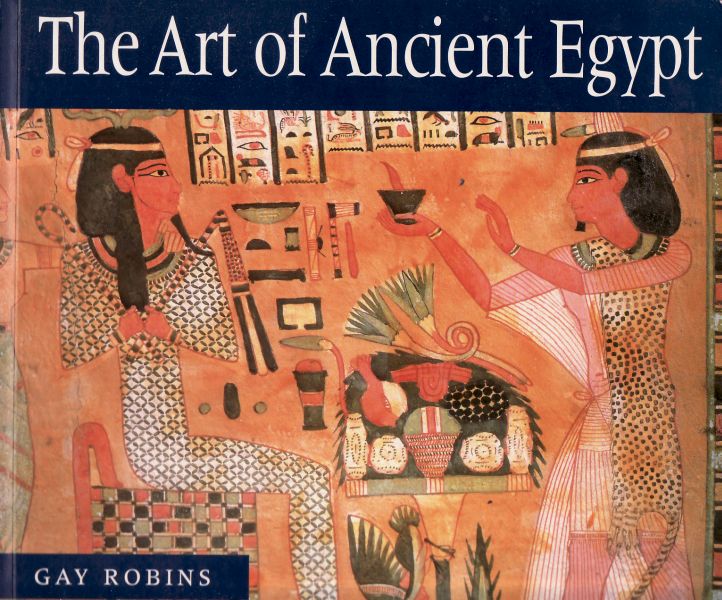
This art-historical study provides a comprehensive and in-depth insight into the visual culture of ancient Egypt. This edition departs from conventional, exclusively aesthetic overviews of Egyptian art. The author, a distinguished professor and one of the world's leading experts in Egyptology, places the artworks directly into their original religious, social, and political context, explaining how monumental architecture, sculpture, painting, and reliefs functioned in service of royal ideology, funerary cults, and the maintenance of the cosmic order. The book is structured into fourteen chronological chapters that trace the fascinating evolution of Egyptian artistic expression across three millennia — from the Early Dynastic Period and the foundation of the state, through the monumental Old Kingdom, the "golden age" of the Middle Kingdom, and the imperial splendor of the New Kingdom (including the specific artistic shift during the heretical Amarna Period), all the way to the Late Period and the Ptolemaic era. The particular value of this monograph lies in the author's innovative approach to analyzing the Egyptian formal canon, proportions, and techniques used by artists to render a three-dimensional world on two-dimensional surfaces. Robins successfully refutes the myth of the "immutability" of Egyptian art, precisely detecting stylistic changes, regional variations, and innovations that emerged during times of political crisis or cultural flourish. The book features high-quality reproductions, detailed ground plans of architectural complexes, and precise drawings that help the reader understand complex iconographic programs.


