085577
New Haven - London
2000
15,5×23,5
meki
266
engleski
Cijena: 20,00 EUR
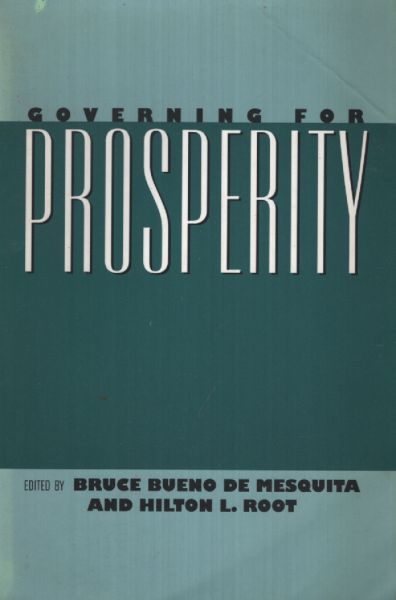
Governing for Prosperity (2000) explores the relationship between political institutions and economic development. The book's central premise is that bad economics is often good politics. Prosperity is not the result of "civic-minded" leaders, but of institutional incentives that force leaders to prioritize public welfare over private patronage to stay in power. Political leaders are self-interested agents whose primary goal is to remain in office. In systems where a leader depends on a small number of backers (autocracies), they purchase loyalty through patronage and corruption, harming the economy. In systems requiring large coalitions (democracies), leaders must provide public goods and growth to maintain support. Contributors argue that the rule of law and institutional stability are more critical for prosperity than democracy alone. They contrast wealthy authoritarian regimes like Singapore with poor, corrupt democracies like India to illustrate this point.


