090099
International Institute for Holocaust Research Yad Vashem - Yale University Press
Jerusalem - New Haven - London
2008
16×24
tvrdi s omotom
394
engleski
30,00 EUR
24,00 EUR
Štedite: 6,00 EUR (20%)
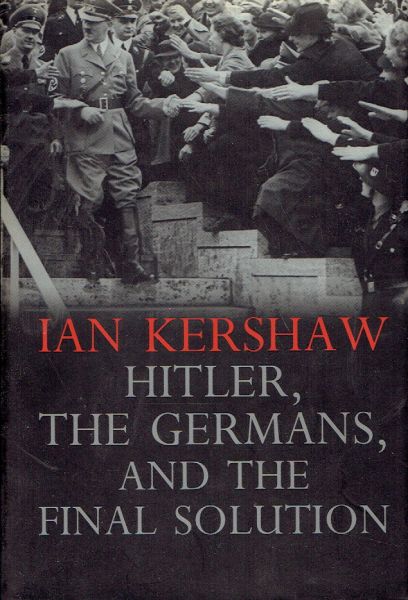
The book is organized into four main parts: 1. Hitler and the Final Solution • Charismatic Authority & "Working Towards the Führer": Kershaw argues that Hitler rarely needed to issue explicit, written orders for every phase of the genocide. Instead, his radical ideological intent created a political climate where subordinates anticipated his wishes and acted ("worked towards the Führer") to realize his vision. • Cumulative Radicalization: Nazi policy escalated step-by-step through bureaucratic competition, improvisation, and escalating brutality rather than a rigid, pre-planned blueprint from day one. 2. Popular Opinion and the Jews in Nazi Germany • Indifference Over Active Hatred: Kershaw examines what ordinary Germans knew and thought about the persecution and mass murder of Jews. His central assessment of the public mood is that while eliminationist antisemitism existed, the defining characteristic of the German populace was not frenzied active participation in every atrocity, but a pervasive, self-absorbed moral indifference and apathy. • Apathy vs. Complicity: Germans were largely indifferent to the fate of their Jewish neighbors as long as their own daily concerns (such as the war effort and livelihood) were managed, creating a passive social complicity.


