085404
New York - London
1992
13,5×20
meki
200
engleski
Cijena: 10,00 EUR
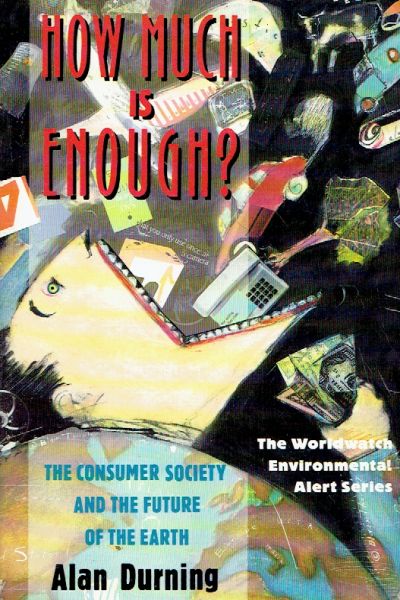
This is a seminal 1992 book by Alan Durning of the Worldwatch Institute. It examines the environmental and social consequences of modern consumerism and proposes a shift toward a "culture of permanence". Durning argues that while the global "consumer class"—the richest fifth of humanity—has seen an unprecedented surge in material wealth since 1950, this affluence has not significantly increased reported levels of happiness. Instead, it has led to spiritual and psychological hunger that people attempt to fill with more goods. Excessive consumption is identified as a primary driver of environmental degradation, including resource depletion, pollution, and climate change. Durning notes that between 1940 and 1992, Americans alone used as many mineral resources as all previous generations combined. The book divides the world into three economic classes: the consumers, the middle-income class, and the poor. It warns that both extreme poverty and extreme wealth devastate the environment, though in different ways. In essence, Durning asks a fundamental question: "How much is enough?" to find true satisfaction without destroying the Earth, advocating for a shift from quantity to quality in life..


