090060
Mineola, New York
2005
13,5×21,5
meki
312
engleski
Cijena: 18,00 EUR
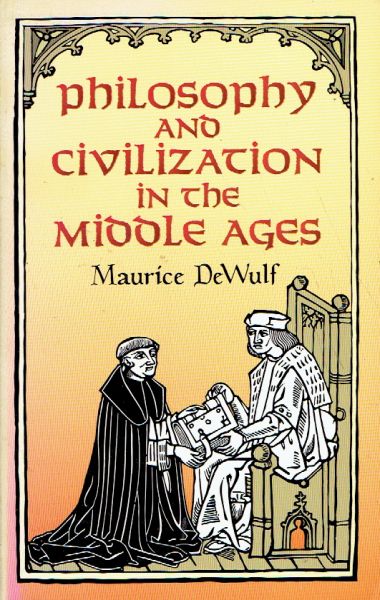
An internationally acclaimed historiographical and philosophical study by the prominent Belgian professor and historian Maurice DeWulf. This edition constitutes a complete, unabridged and faithful republication of the original lectures delivered by the author at Princeton University (Princeton University Press) back in 1922. The significance of this work within global medieval studies and the history of ideas is immeasurable; DeWulf, who was a leading figure in the neo-scholastic revival at the Catholic University of Leuven, offers a revolutionary approach to medieval thought in this monograph. Rather than observing philosophy in an isolated vacuum, he deeply integrates it with the general development of Western civilization, demonstrating how the scholastic systems of the 12th and 13th centuries directly mirrored and shaped the architecture, art, social institutions and feudal order of the era. The study is divided into fourteen thematic and chronological chapters, bracketed by an introductory prologue and a concluding epilogue. The material systematically unfolds through an analysis of unifying and cosmopolitan tendencies, the spirit of optimism and impersonality in medieval culture, and arrives at the central pillar of the book — the analysis of the relationship between scholastic philosophy and the religious spirit. With meticulous scholarly precision, the author dissects the intellectualism, pluralistic conception of the world, individualism and social philosophy of the period. He provides seminal chapters on the theory of the state, the conception of human progress and the influence of national temperament on thirteenth-century philosophical thought, focusing on thinkers from Anselm and Abelard to Thomas Aquinas and William of Occam. The volume concludes with an extensive epilogue evaluating the pedagogical value of scholasticism for modern thought, complemented by a selected bibliography and an index of names.


