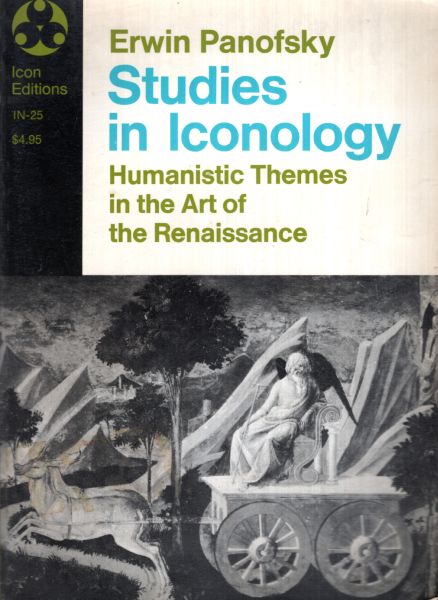
Studies in Iconology. Humanistic Themes in the Art of the Renaissance
Povijest i teorija umjetnosti
086859
New York etc.
1972
15×21,5
meki
382
engleski
Cijena: 15,00 EUR
Erwin Panofsky's Studies in Iconology (1939) is one of the most important works in 20th-century art history. In it, Panofsky codified his method of interpreting works of art through three levels of meaning, moving the discipline from purely visual analysis to a deeper understanding of cultural context. Panofsky's three levels of interpretation: The method is based on a layered approach that allows the art historian to go from describing what he sees to discovering the underlying meaning of a work: Pre-iconographic description (primary or natural meaning): The most basic level at which we recognize pure forms (lines, colors) as real objects or events (e.g., recognizing 13 figures sitting at a table). This does not require special historical knowledge, but only practical life experience. Iconographic analysis (secondary or conventional meaning): Connecting recognized motifs with specific themes or concepts from literary sources. Here, we recognize the 13 figures at the table as the scene of the "Last Supper," and the figure with the lion as St. Mark. This level requires knowledge of specific stories, allegories, and religious texts. Iconological interpretation (tertiary or intrinsic meaning): Uncovering "hidden" content that reflects the fundamental attitude of a nation, period, or religious belief. Iconology views a work as a symptom of a larger culture, seeking answers to the question of why the artist chose a particular mode of representation. In addition to an introductory methodological essay, the book contains a series of studies on humanistic themes in Renaissance art: Piero di Cosimo: An analysis of his painting cycles as representations of the early history of humanity and the transition from savagery to civilization under the influence of Vulcan. Father Time: Tracing the evolution of representations of Time from ancient symbols to medieval and Renaissance attributes such as the hourglass and scythe. Blin


