089860
London
2004
15,5×24
tvrdi s omotom
284
engleski
18,00 EUR
14,40 EUR
Štedite: 3,60 EUR (20%)
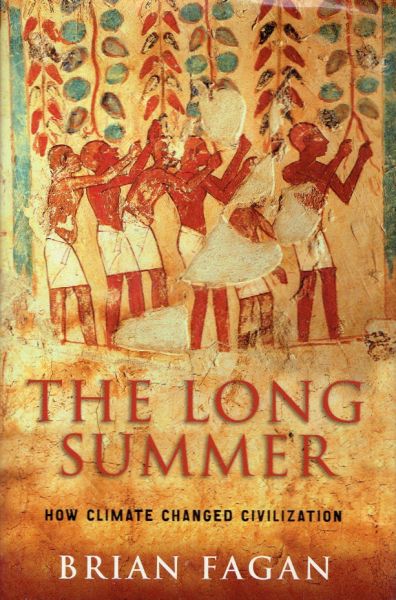
An intriguing and historically relevant non-fiction study by the renowned British archaeologist and anthropologist Brian Fagan, this book offers a fascinating overview of human history through the prism of climate change over the last 15,000 years. In this work, the author delivers a detailed analysis of the period of global warming that followed the end of the last Ice Age—an era he metaphorically terms our 'long summer'—which established the key ecological prerequisites for the birth, development, and spread of the first human civilizations. Drawing on rich contemporary research from the fields of climatology, archaeology, and paleontology, Fagan skillfully reconstructs historical data obtained from the analysis of tree rings, pollen samples from ancient marshes, and deep ice cores and ocean sediments, revealing to the reader the complex interdependence between human progress and unpredictable weather patterns. Through chronologically structured chapters divided into three thematic sections, the book takes the reader on a journey from the harsh and hostile conditions of the late Paleolithic, through dramatic droughts that forced nomadic communities in Southwestern Asia into their first experiments with cultivating wild grains, to the drying of the Sahara which prompted migrations into the Nile Valley and laid the foundations of Egyptian civilization. The author vividly demonstrates how our ancestors repeatedly faced extreme climate challenges and how they displayed remarkable resilience, adaptability, and social innovation during moments of greatest crisis. The book also touches upon later historical phenomena, such as the Medieval Warm Period and the onset of the 'Little Ice Age' at the beginning of the 14th century, offering an invaluable historical context that helps us better understand modern ecological challenges and the planet's uncertain climatic future. The book includes a detailed table of contents, notes


