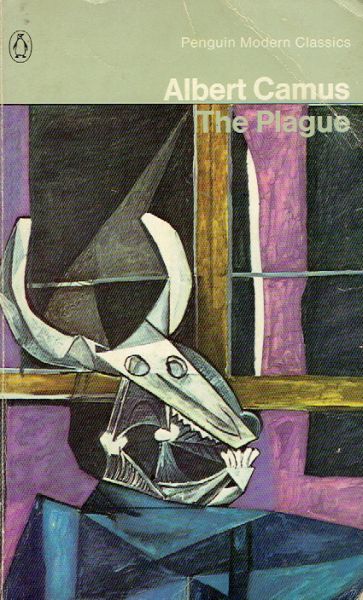
088013
Penguin Books - Hamish Hamilton
Harmondsworth etc.
1976
11×18
meki
252
engleski
Cijena: 8,00 EUR
This is an existentialist and absurdist novel by French writer and philosopher Albert Camus, published in 1947. The plot follows a fictional plague epidemic that isolates and closes the Algerian city of Oran in the 1940s, forcing its citizens to confront the isolation, suffering, and absurdity of human existence. As one of the most important works of 20th-century literature, the novel functions on multiple levels of meaning – from a depiction of an epidemiological crisis to a profound philosophical and historical metaphor. The novel operates on three main levels of interpretation: 1. Philosophical Level: The plague symbolizes the indifference of the universe and the randomness of suffering. Since death is inevitable, human struggle against it seems futile. However, Camus argues that the true meaning lies precisely in the rebellion against this absurdity through work, solidarity, and human dignity. 2. Historical Level: The book was written immediately after World War II and serves as a direct metaphor for the German occupation of France. Nazi ideology was often referred to as the "brown plague," and the formation of sanitary teams in the novel reflects Camus's real-life experiences within the French Resistance. 3. Psychological Level: The work vividly depicts how human communities behave under quarantine. From initial denial and selfishness, to apathy and isolation, to collective resistance and the final forgetting of the lessons of the past. Translated by Stuart Gilbert.


