087161
Toronto
1964
11×18,5
meki
464
engleski
Cijena: 18,00 EUR
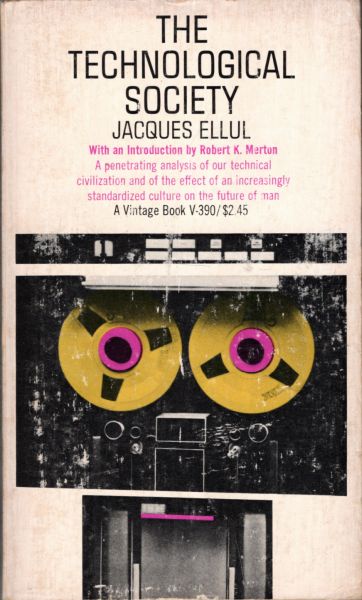
The Technological Society (1954), by the French philosopher, sociologist, and theologian Jacques Ellul, is considered one of the most important works on technology and society of the 20th century. Originally published in France under the title La Technique ou l'enjeu du siecle ("Technique or the Stake of the Century"), the book achieved worldwide fame after its English translation in 1964. The book's central thesis is not focused on machines themselves, but on what Ellul calls "technique." Technology is "the totality of methods arrived at by rational means and having absolute efficiency... in every field of human activity." Ellul argues that technology has become an autonomous force that develops according to its own logic of efficiency, independent of human desires or moral values. It permeates all areas of life—from economics and politics to education and human relations—transforming them into standardized processes aimed solely at achieving the best possible result. In a technological society, the question "Why?" has been replaced by the question "How to do it most effectively?". Ellul warns that people must adapt to the demands of technology, which leads to the loss of spontaneity, creativity, and true freedom. Technology removes the mystery and "sacred" from the world, because it treats everything as an object to be analyzed and optimized. Sociological trilogy: The book is the first part of the author's trilogy that also includes the works Propaganda (1962) and Political Illusion (1964), exploring how technology shapes public opinion and state institutions.


